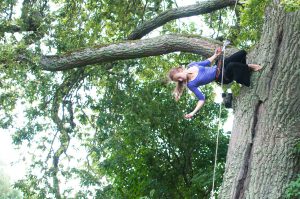
[:ca]Sense l’arbre sóc una dona morta, És una obra realitzada en residència a HIAP (Finlàndia) sota el projecte europeu Frontiers in Retreat.
Aquesta peça sintetitza les reflexions incloses sota el nom de All the trees I met, que es va iniciar el 2013 amb una actuació al Festival Saó (Farrera, Alt Pirineu) i van continuar fins avui diferents ambients -sempre amb l’arbre com a motiu- de Catalunya, Letònia i Indonèsia).
D’una banda, l’arbre, el major organisme viu del món, el vegetal més fort, que reuneix tot el simbolisme de la vida, des dels seus arrels fins a les fulles. I, d’altra banda, la dona, la criatura que porta en la seva essència simbolisme arcaic de l’arbre i, al mateix temps reuneix tot el simbolisme de la fertilitat, que és sobre la vida. Aquí, en relació un amb un altre, dialogant en diferents idiomes, però que tenen el mateix origen.
En un altre nivell, en aquest projecte estem parlant de l’ecologia. Avui en dia és essencial per augmentar la consciència dels problemes ambientals cap a la qual ens dirigim: Les necessitats de crisis ecològiques, més que mai, art que crea consciència, però sobretot per moure i la societat tàctil des del nivell emocional.
L’exploració d’un arbre està explorant l’essència de la vida, però no només per emfatitzar els seus valors, sinó també per analitzar la forma en què ens relacionem i donar una visió íntima de l’acte creatiu.
Artistes com Ana Mendieta, amb el seu impressionant arbre de la vida a partir de 1976; artistes com el fotògraf Flor Garduño, Kiki Smith o Lucía Loren i les seves belles exemplificacions sobre l’intercanvi entre els éssers humans i el medi ambient natural són algunes de les obres d’inspiració en aquesta direcció. O últimes afirmacions, com els ulls de projectes tan grans com les plaques dels artistes Riitta Ikonen i Karoline Hjorthén.
Hi ha moltes exploracions «estàtics» sobre aquestes idees, de manera que aquest projecte vol oferir una nova visió artística des de la perspectiva de moviment i acció.
Sense l’arbre sóc una dona morta, vol reivindicar l’arbre com un símbol per a les dones del segle XXI. Potser és massa presumptuós, així que ens permeten tornar a formular: El seu objectiu és donar valor a l’arbre com un portador d’importants atributs femenins que són clau en l’actualitat, i viceversa. Necessitem arbres d’estar viu, com la naturalesa i la bellesa, i això no és una metàfora, sinó un fet que hem de recordar, en cas contrari la crisi ecològica tindrà un final dramàtic i ràpid.
I per què la bellesa? En aquesta actuació també reivindico la bellesa com una part necessària de l’art, la cultura i la vida. Bellesa entesa en el sentit més antic de l’harmonia entre els éssers humans i la natura (arran de les recents idees de pensadors com Satish Kumar o artistes com Suprapto Suryodarmo, per exemple).
-

- Without the tree. Anna Rubio
-

- Without the tree. Anna Rubio
-

- Without the tree. Anna Rubio
-

- Without the tree. Anna Rubio
-

- Without the tree. Anna Rubio
-

- Without the tree. Anna Rubio
-

- Without the tree. Anna Rubio
-

- Without the tree. Anna Rubio
-

- Without the tree. Anna Rubio
-

- Without the tree. Anna Rubio
-

- Without the tree. Anna Rubio
On one hand the tree, as the largest plant on earth, symbolises life, from its roots to its leaves. On the other hand woman, who in her essence represents the ancient symbolism of the tree, also reflects all the symbolism of fertility, of life itself.
This project is also about ecology, and the need to increase awareness of the environmental problems we humans are creating; more than ever it is hoped that art will play a part in highlighting the ecological crisis and encouraging a shift of conscience towards the need for action to protect our planet.
To explore trees is to take a close look at life itself, not only to appreciate its value and importance but also to see how we relate to nature, so that we may better understand and appreciate the act of creation.
Ana Mendieta’s impressive tree of life which she began in 1976; Flor Garduño’s photographs; Kiki Smith’s or Lucia Loren’s beautiful examples of the interaction between human beings and the natural world, are just some of the inspirational works on this theme. Other recent ambitious projects like the impressive visual messages of Riitta Ikonen and Karoline Hjorthén carry the same important message.
There are many enthusiastic explorations of these ideas, and this project attempts to offer a new artistic view from the perspective of movement and action.
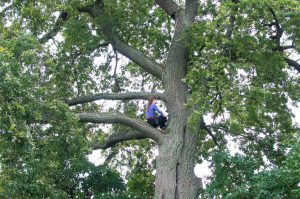
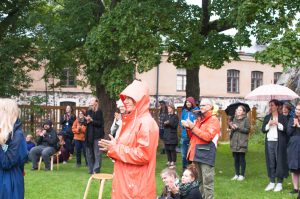
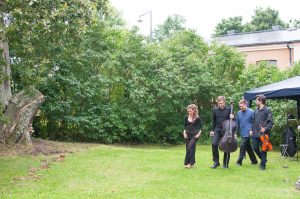
Without the tree I am a dead woman, as an art project, seeks to revindicate the tree as a symbol for the women of the twenty-first century, reflecting, as it does, important feminine attributes. It is important to remember that we need trees, not just for their beauty, but because of their contribution to the health of our planet. Without them this world comes closer to facing a rapid and dramatic end.
And why beauty? This performance reminds us that beauty is a necessary feature of art, culture and life itself. Beauty understands the sense of harmony between human beings and nature ( to refer to the recent ideas of philosophers like Satish Kumar or artists such as Suprapto Suryodarmo, for example).
-
- Without the tree. Anna Rubio
-
- Without the tree. Anna Rubio
-
- Without the tree. Anna Rubio
-
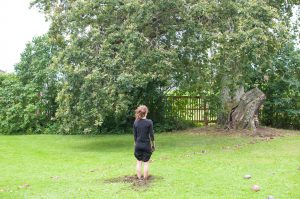
- Without the tree. Anna Rubio
-
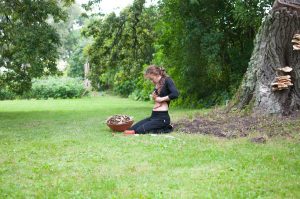
- Without the tree. Anna Rubio
-
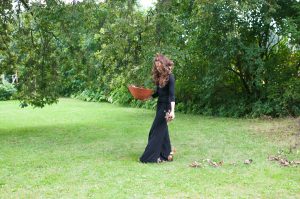
- Without the tree. Anna Rubio
-
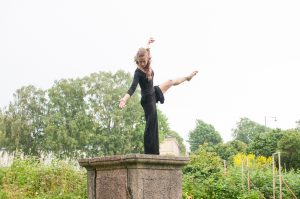
- Without the tree. Anna Rubio
-
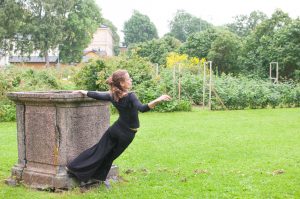
- Without the tree. Anna Rubio
-
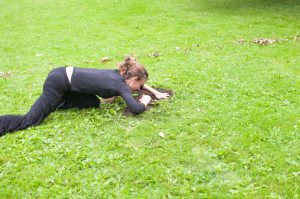
- Without the tree. Anna Rubio
-
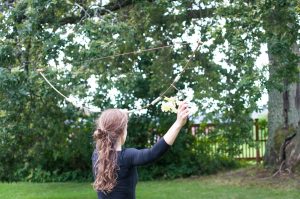
- Without the tree. Anna Rubio
-
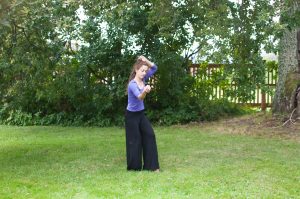
- Without the tree. Anna Rubio